Concrete is one of the most widely used building materials in the world, valued for its versatility, durability, and strength. From residential driveways and patios to large-scale commercial structures such as warehouses, office buildings, and industrial facilities, concrete provides a reliable foundation and structural support. However, not all concrete is created equal. Using high-quality Concrete Franklin TN can make a significant difference in the longevity, performance, and overall success of a construction project.
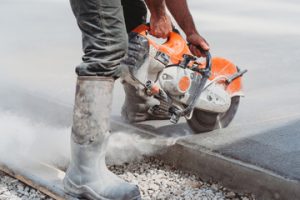
High-quality concrete is engineered to meet specific structural and environmental requirements. It incorporates carefully measured materials, optimized mixtures, and, often, specialized additives that improve strength, durability, and resistance to environmental factors. By choosing high-quality concrete, project stakeholders can reduce maintenance costs, minimize the risk of structural failure, and achieve superior aesthetic results. Whether applied in residential or commercial projects, the advantages of quality concrete extend far beyond the initial installation.
Enhanced Durability and Longevity
One of the primary benefits of using high-quality concrete is its durability. Low-grade or improperly mixed concrete may be prone to cracking, spalling, or deterioration over time, especially under heavy loads or adverse environmental conditions. High-quality concrete, on the other hand, is designed to withstand the demands of daily use while resisting wear and tear.
Durable concrete reduces the need for frequent repairs and minimizes the risk of structural damage. For commercial projects, this is particularly critical, as heavy foot traffic, vehicles, or machinery can quickly stress substandard concrete. Residential projects, such as driveways, patios, or foundations, also benefit from enhanced durability, protecting homes from damage due to weather, soil movement, or seasonal temperature changes.
Key aspects of high-quality concrete durability include:
- Resistance to Cracking and Shrinkage – Premium concrete formulations minimize shrinkage and cracking during curing, ensuring a more stable surface.
- Long-Term Structural Integrity – Reinforced and properly mixed concrete maintains strength over decades, providing a reliable foundation for residential or commercial structures.
By prioritizing durability, property owners can save both time and money on maintenance and repairs while preserving the integrity of their investment.
Superior Strength and Load-Bearing Capacity
Strength is a fundamental consideration in construction, as it determines a structure’s ability to bear weight and withstand stress. High-quality concrete is specifically engineered for strength, with precise proportions of cement, aggregates, and water. Additives may also be included to enhance compressive strength, tensile strength, and resistance to impact or vibration.
In commercial settings, strong concrete is essential for supporting heavy equipment, high-traffic areas, and multi-story structures. In residential applications, strong concrete ensures that driveways, walkways, and foundations remain stable even under dynamic loads, such as moving vehicles or shifting soil.
The benefits of strong concrete include:
- Enhanced Safety – A structurally sound foundation reduces the risk of collapse or structural failure.
- Support for Heavy Loads – High-quality concrete can withstand the demands of both residential vehicles and industrial machinery, extending the life of the structure.
Investing in concrete with superior strength ensures that buildings and surfaces perform reliably under normal and extreme conditions.
Improved Resistance to Environmental Factors
Concrete is exposed to a wide range of environmental conditions, from freezing and thawing cycles to heavy rainfall, high humidity, and ultraviolet exposure. Low-quality concrete may absorb water, leading to freeze-thaw damage, corrosion of embedded reinforcements, or surface spalling. High-quality concrete incorporates materials and additives that improve resistance to environmental stressors, reducing deterioration over time.
For example, in colder climates, high-performance concrete resists freeze-thaw cycles, preventing cracks and surface damage caused by expanding ice. In regions with heavy rainfall or moisture exposure, water-resistant concrete prevents seepage that can compromise structural integrity. Even in sunny and hot climates, premium concrete resists thermal expansion and contraction, preserving its shape and surface quality.
Environmental benefits of high-quality concrete include:
- Reduced Risk of Water Damage – Properly mixed concrete with low permeability prevents water infiltration that could damage foundations or surfaces.
- Protection Against Weathering – High-quality concrete resists surface erosion, scaling, and fading caused by sunlight, wind, and precipitation.
By using concrete that is designed for environmental resilience, property owners protect their structures against long-term deterioration.
Cost Savings Through Reduced Maintenance
While high-quality concrete may have a higher initial cost than lower-grade alternatives, it offers substantial long-term savings through reduced maintenance and repair requirements. Substandard concrete is prone to cracking, chipping, and surface degradation, which can lead to costly repairs and resurfacing. High-quality concrete, however, maintains its strength and appearance for decades with minimal upkeep.
For commercial facilities, reduced maintenance translates to less downtime and fewer disruptions in operations. Residential property owners benefit from lower repair costs and improved curb appeal, enhancing the overall value of the property.
Cost-saving aspects include:
- Fewer Repairs Over Time – Durable, strong concrete requires minimal corrective measures, reducing labor and material expenses.
- Extended Lifespan – Premium concrete surfaces can last decades longer than low-grade alternatives, maximizing the return on investment.
Investing in high-quality concrete is a financially prudent choice that balances upfront costs with long-term benefits.
Aesthetic and Design Flexibility
High-quality concrete is not only functional but also highly versatile in design. Decorative concrete options, such as stamped patterns, exposed aggregates, or colored finishes, allow property owners to achieve custom looks for driveways, patios, and commercial façades.
Premium concrete can be finished to create smooth, polished surfaces or textured, slip-resistant finishes, depending on the project’s requirements. This flexibility makes it suitable for both practical and aesthetic applications, enhancing the overall appeal of residential and commercial properties.
Key aesthetic advantages include:
- Customizable Finishes – Smooth, polished, or patterned surfaces can complement architectural styles and landscaping designs.
- Color and Texture Options – Advanced concrete formulations allow for consistent coloring and textures that maintain their appearance over time.
By combining strength with visual appeal, high-quality concrete delivers both functional and aesthetic value, making it ideal for a wide range of projects.
Sustainability and Environmental Benefits
Modern high-quality concrete can also be formulated with sustainability in mind. Many premium concrete mixes incorporate recycled materials, industrial byproducts, or supplementary cementitious materials that reduce the carbon footprint of the construction process. Additionally, longer-lasting concrete reduces the frequency of replacement and repair, conserving resources and minimizing construction waste.
Sustainable concrete benefits include:
- Reduced Environmental Impact – Using recycled aggregates or fly ash reduces reliance on raw materials and lowers greenhouse gas emissions.
- Long-Term Resource Efficiency – Durable concrete minimizes the need for frequent repairs or replacements, conserving materials over time.
Property owners who choose eco-friendly concrete solutions not only support environmental goals but also position their projects as forward-thinking and responsible.
Applications in Residential and Commercial Projects
The advantages of high-quality concrete make it suitable for virtually every type of construction project. Residential applications include:
- Foundations and Footings – Providing stable and long-lasting support for homes.
- Driveways and Walkways – Ensuring durability under traffic and weather conditions.
- Patios and Outdoor Living Spaces – Offering aesthetic flexibility and lasting performance.
Commercial applications include:
- Warehouses and Industrial Floors – Supporting heavy machinery and high foot traffic.
- Parking Lots and Loading Areas – Providing durable surfaces that withstand vehicle weight and environmental stress.
- Building Structures and Foundations – Ensuring structural integrity for multi-story buildings or large facilities.
Across all applications, high-quality concrete contributes to safety, durability, and visual appeal, making it a wise choice for both residential and commercial projects.
Investing in Quality for Long-Term Benefits
High-quality concrete offers a combination of durability, strength, environmental resistance, aesthetic versatility, and cost savings that low-grade alternatives cannot match. Whether applied in residential foundations, driveways, patios, or commercial facilities, premium concrete ensures that structures remain stable, safe, and visually appealing for decades.
Investing in high-quality concrete is an investment in the longevity and performance of a property. By prioritizing durability and performance over initial cost alone, property owners and developers can avoid costly repairs, minimize maintenance, and enjoy reliable, long-lasting results. Beyond the immediate benefits, using premium concrete demonstrates foresight, quality craftsmanship, and a commitment to building structures that stand the test of time.
From residential spaces to large-scale commercial projects, high-quality concrete is the cornerstone of construction excellence. Its combination of strength, durability, aesthetic potential, and sustainability makes it a material that delivers measurable value, ensuring that every project is both functional and enduring.