The Urgency Behind Emergency Snow Removal

Helena MT Emergency Snow Removal begins when silence turns into struggle. The world changes under layers of white, and motion slows to hesitation. Roads vanish, paths blur, and life feels paused. In that stillness, urgency quietly grows stronger.

Snow Removal

The weight of snow is not just physical but emotional. It settles on structures, vehicles, and human routines. Every inch adds pressure, creating risks that multiply quickly. What seems calm can turn critical within hours.

Modern emergency snow removal is not just reaction but prediction. The best efforts start before the storm peaks. Technology and timing combine to create invisible defenses. The goal is to keep life moving even when nature demands stillness.

Snow carries a deceptive beauty that hides its danger. Beneath its softness lies the threat of collapse, frost, and isolation. Each flake adds to a quiet burden that tests resilience. Response becomes a race between calm planning and chaotic weather.

What makes emergency snow removal unique is its dual nature. It’s both technical precision and human endurance. Workers face cold, fatigue, and uncertainty, yet persist. Their coordination becomes a dance against time and temperature.

Every snowfall tells a different story of challenge. Some bring gradual buildup, others arrive in violent waves. Each demands its own rhythm of response and recovery. Preparedness becomes the only consistent rule.

Communication plays a silent but vital role in every operation. Alerts spread through networks, guiding decisions minute by minute. The flow of information becomes as important as the clearing itself. In chaos, clarity saves time and lives.

Emergency removal involves more than clearing space. It’s about restoring access, safety, and stability. People depend on open roads for survival and connection. The effort behind it reflects a deep commitment to continuity.

There’s an art to managing snow under pressure. Knowing where to begin and what to prioritize determines success. It’s a system built on layers of judgment, not just machinery. One wrong sequence can multiply delays and hazards.

Teams working through storms share a rare kind of focus. They move through freezing air guided by instinct and experience. Their visibility may fade, but their determination does not. The cold becomes both enemy and teacher.

The unpredictable rhythm of snow makes timing everything. Remove it too early and it returns with force. Wait too long and the damage compounds. Emergency response thrives on precision and restraint.

One of the newer challenges in snow management is adaptation. Climate unpredictability shifts patterns faster than systems can adjust. What used to be rare now happens regularly. Planning becomes an evolving science rather than a fixed routine.

Emergency snow removal has also become a test of infrastructure intelligence. Smart systems now track buildup, temperature, and risk in real time. These invisible sensors guide human decisions with remarkable accuracy. Technology amplifies effort but doesn’t replace it.

Energy management has become a major focus in modern operations. Every movement, route, and method is optimized for sustainability. The goal is efficiency without compromise to safety. Balance defines the new generation of snow response.

The human side of this process remains the most compelling. Workers adapt to conditions that would freeze most people in place. They find rhythm in exhaustion, purpose in repetition. It’s a quiet kind of heroism built on endurance.

Each cleared path carries more meaning than it appears. It represents access to warmth, health, and connection. Behind every open road is a story of coordination and grit. The outcome is simple, but the effort is extraordinary.

In dense snow conditions, strategy shifts every minute. What worked an hour ago might fail now. Teams constantly evaluate traction, volume, and safety zones. This adaptability turns stress into controlled motion.

Modern emergency snow removal now considers urban psychology. People react differently to isolation caused by weather. Quick clearance reduces anxiety as much as physical barriers. Restoring visibility restores calm.

There’s growing attention to preventive techniques that reduce buildup. These methods aim to lessen crisis situations before they start. Innovation here saves resources and lives. The best emergencies are the ones prevented entirely.

As seasons grow unpredictable, training becomes crucial. Teams learn not only tactics but mental endurance. The cold tests judgment, and clarity becomes the most valuable tool. Strong decision-making saves more than speed ever could.

Community response adds a powerful layer to the process. Local coordination often fills the gaps between official systems. Neighbors check on one another, offering both labor and comfort. Humanity becomes the warmth that machines can’t supply.

Emergency snow removal also reveals how fragile mobility can be. A few inches can silence an entire network. It’s a reminder of how dependent modern life is on connection. The process of reopening becomes symbolic of recovery itself.

New materials and equipment designs have changed the landscape. Lighter, faster, and smarter machines allow quicker movement. Yet, the human element still defines success. Machines may clear paths, but people make them usable.

There’s also a subtle environmental dimension to this work. Balancing safety with ecological responsibility is a growing priority. Sustainable techniques ensure that immediate relief doesn’t cause long-term harm. The goal is harmony between speed and stewardship.

Emergency operations often unfold like orchestras of motion. Each participant knows their rhythm, guided by unseen cues. Timing, trust, and communication hold the entire effort together. The coordination itself becomes a form of resilience.

Weather unpredictability forces innovation at every level. Rapid-deploy systems, predictive mapping, and adaptive routing redefine response. Each storm tests these ideas in real-world chaos. The lessons learned become tools for the next challenge.

The emotional weight of emergency response is often overlooked. Hours of exposure, silence, and uncertainty leave invisible marks. Yet, those who do the work carry a quiet pride. Their reward lies in the return of normalcy for others.

Emergency snow removal reflects the nature of preparedness in modern life. It’s about building systems that can withstand pressure without panic. The process demands speed but also patience. It teaches that control begins with calm understanding.

The concept of resilience echoes through every cleared street. It’s a reminder that response is not just about reaction but renewal. Every storm ends, but how we handle it defines our strength. Adaptability turns struggle into stability.

Design thinking now shapes strategies behind snow removal. Routes are planned with human behavior in mind. Designers study movement, habit, and risk to create efficient flow. The goal is not just clearance but experience.

There’s a fascinating psychology behind how people perceive cleared spaces. An open road brings relief that feels almost emotional. Visibility restores confidence after confinement. That sense of renewal is one of the quiet successes of every operation.

Emergency preparation has shifted from seasonal to continuous. Systems now evolve year-round through simulation and analysis. This constant refinement builds resilience long before snowfall begins. Preparation is the invisible foundation of response.

As digital tools advance, remote coordination becomes more powerful. Crews navigate using real-time visuals and terrain data. The fusion of precision and instinct defines modern efficiency. Every move becomes part of a wider network of intelligence.

Weather patterns remain unpredictable, but readiness adapts faster than before. Flexibility has become a defining skill in emergency teams. They don’t just follow plans—they rewrite them in real time. This agility makes the impossible seem manageable.

Public awareness also plays a crucial role in smooth execution. Education campaigns teach timing, caution, and cooperation. A well-informed community becomes part of the solution. Awareness transforms panic into participation.

There’s beauty in the rhythm of recovery after each storm. The sound of scraping and clearing signals progress. People watch as streets reappear and routines resume. Life quietly returns, one cleared path at a time.

Modern emergency snow removal embraces anticipation more than reaction. The systems in place are guided by foresight rather than fear. Planners think in patterns, not moments. This shift has transformed chaos into controlled adaptation.

The emotional connection between safety and visibility remains profound. When snow hides the world, clearing it feels like reclaiming control. It’s a psychological restoration as much as a physical one. Light, sound, and space all return together.

Every storm teaches humility. Even the strongest systems have limits when nature asserts power. Yet, with each challenge, innovation grows sharper. Humanity learns how to work with nature instead of against it.

Emergency snow removal will always be about motion—the effort to restore flow where stillness reigns. It’s a story of people, machines, and moments of endurance. Behind every cleared corner is a network of unseen hands. And in every storm faced, there lies proof of resilience that defines us all.


post

Essential DIY Roofing Tips Every Homeowner Should Know for Maintenance and Safety

Maintaining a strong, durable roof is essential for protecting your home from the elements. While major roof repairs should always be handled by professionals, there are several tasks that homeowners can do themselves to keep their roofs in excellent condition. By performing regular maintenance and making small fixes, you can extend the life of your roof and prevent costly damage in the future. Here are some practical DIY roofing tips that every homeowner should know.


1. Inspect Your Roof Regularly

Routine inspections are the first step in maintaining your roof. Check your roof at least twice a year—typically in the spring and fall—to identify potential problems before they worsen. Look for missing or damaged shingles, rusted flashing, loose nails, and signs of wear. Binoculars can be useful for viewing hard-to-reach areas from the ground, reducing the need to climb onto the roof unnecessarily.


gutter cleaning

2. Keep Gutters Clean and Clear

Clogged gutters can lead to water buildup, which can damage shingles and cause leaks. Remove leaves, branches, and debris from your gutters regularly, especially after storms or during the fall when leaves are abundant. Make sure downspouts are clear and directing water away from the foundation to prevent structural damage.


3. Trim Overhanging Tree Branches

Overhanging branches can scrape against shingles, remove protective granules, and even puncture the roof during strong winds. Trim any tree limbs that extend over your roof to prevent physical damage and reduce the amount of debris that falls onto your roof and into your gutters.


4. Check for Algae and Moss Growth

Algae and moss not only affect the appearance of your roof but can also cause shingles to deteriorate over time. If you notice green patches or black streaks, gently clean the affected areas using a mixture of water and mild soap, or apply a roof-safe cleaning solution. Avoid using high-pressure washers, as they can damage shingles and reduce their lifespan.


5. Replace Damaged or Missing Shingles

If you spot a few missing or cracked shingles, you can replace them yourself with basic tools. Carefully remove the damaged shingles, apply roofing cement, and secure the new shingles in place with roofing nails. Always wear appropriate safety gear and work on a dry day to avoid slipping hazards.


6. Seal Small Leaks Promptly

Minor leaks can quickly turn into major problems if ignored. If you notice water stains on your ceiling or attic, trace the source of the leak. In many cases, leaks occur around chimneys, vents, or flashing. Use roofing cement or a waterproof sealant to patch small gaps. For extensive leaks, call a professional immediately.


7. Ensure Proper Ventilation

Poor attic ventilation can cause moisture buildup, leading to mold growth and roof deterioration. Check your attic vents to ensure they are not blocked by insulation or debris. Proper ventilation helps regulate temperature, prevents ice dams in winter, and prolongs roof life.


8. Apply Roof Coating for Extra Protection

Roof coatings can help protect shingles from UV rays and harsh weather, extending the roof’s lifespan. Choose a product designed for your roofing material and apply it according to the manufacturer’s instructions. This extra layer of protection can reduce heat absorption and improve energy efficiency.


9. Practice Safety First

When performing any roofing task, safety should always come first. Use a sturdy ladder, wear non-slip shoes, and consider using a safety harness if you need to climb onto the roof. Avoid working in wet or windy conditions, and never attempt repairs that seem beyond your ability—leave those to a professional.


10. Schedule Professional Inspections When Needed

While DIY maintenance can go a long way, it’s important to have your roof professionally inspected every few years. A roofing expert can spot hidden issues and recommend necessary repairs to keep your home safe and secure.

The Benefits of Using High-Quality Concrete for Residential and Commercial Projects

Concrete is one of the most widely used building materials in the world, valued for its versatility, durability, and strength. From residential driveways and patios to large-scale commercial structures such as warehouses, office buildings, and industrial facilities, concrete provides a reliable foundation and structural support. However, not all concrete is created equal. Using high-quality Concrete Franklin TN can make a significant difference in the longevity, performance, and overall success of a construction project.

concrete

High-quality concrete is engineered to meet specific structural and environmental requirements. It incorporates carefully measured materials, optimized mixtures, and, often, specialized additives that improve strength, durability, and resistance to environmental factors. By choosing high-quality concrete, project stakeholders can reduce maintenance costs, minimize the risk of structural failure, and achieve superior aesthetic results. Whether applied in residential or commercial projects, the advantages of quality concrete extend far beyond the initial installation.

Enhanced Durability and Longevity

One of the primary benefits of using high-quality concrete is its durability. Low-grade or improperly mixed concrete may be prone to cracking, spalling, or deterioration over time, especially under heavy loads or adverse environmental conditions. High-quality concrete, on the other hand, is designed to withstand the demands of daily use while resisting wear and tear.

Durable concrete reduces the need for frequent repairs and minimizes the risk of structural damage. For commercial projects, this is particularly critical, as heavy foot traffic, vehicles, or machinery can quickly stress substandard concrete. Residential projects, such as driveways, patios, or foundations, also benefit from enhanced durability, protecting homes from damage due to weather, soil movement, or seasonal temperature changes.

Key aspects of high-quality concrete durability include:

  1. Resistance to Cracking and Shrinkage – Premium concrete formulations minimize shrinkage and cracking during curing, ensuring a more stable surface.
  2. Long-Term Structural Integrity – Reinforced and properly mixed concrete maintains strength over decades, providing a reliable foundation for residential or commercial structures.

By prioritizing durability, property owners can save both time and money on maintenance and repairs while preserving the integrity of their investment.

Superior Strength and Load-Bearing Capacity

Strength is a fundamental consideration in construction, as it determines a structure’s ability to bear weight and withstand stress. High-quality concrete is specifically engineered for strength, with precise proportions of cement, aggregates, and water. Additives may also be included to enhance compressive strength, tensile strength, and resistance to impact or vibration.

In commercial settings, strong concrete is essential for supporting heavy equipment, high-traffic areas, and multi-story structures. In residential applications, strong concrete ensures that driveways, walkways, and foundations remain stable even under dynamic loads, such as moving vehicles or shifting soil.

The benefits of strong concrete include:

  1. Enhanced Safety – A structurally sound foundation reduces the risk of collapse or structural failure.
  2. Support for Heavy Loads – High-quality concrete can withstand the demands of both residential vehicles and industrial machinery, extending the life of the structure.

Investing in concrete with superior strength ensures that buildings and surfaces perform reliably under normal and extreme conditions.

Improved Resistance to Environmental Factors

Concrete is exposed to a wide range of environmental conditions, from freezing and thawing cycles to heavy rainfall, high humidity, and ultraviolet exposure. Low-quality concrete may absorb water, leading to freeze-thaw damage, corrosion of embedded reinforcements, or surface spalling. High-quality concrete incorporates materials and additives that improve resistance to environmental stressors, reducing deterioration over time.

For example, in colder climates, high-performance concrete resists freeze-thaw cycles, preventing cracks and surface damage caused by expanding ice. In regions with heavy rainfall or moisture exposure, water-resistant concrete prevents seepage that can compromise structural integrity. Even in sunny and hot climates, premium concrete resists thermal expansion and contraction, preserving its shape and surface quality.

Environmental benefits of high-quality concrete include:

  1. Reduced Risk of Water Damage – Properly mixed concrete with low permeability prevents water infiltration that could damage foundations or surfaces.
  2. Protection Against Weathering – High-quality concrete resists surface erosion, scaling, and fading caused by sunlight, wind, and precipitation.

By using concrete that is designed for environmental resilience, property owners protect their structures against long-term deterioration.

Cost Savings Through Reduced Maintenance

While high-quality concrete may have a higher initial cost than lower-grade alternatives, it offers substantial long-term savings through reduced maintenance and repair requirements. Substandard concrete is prone to cracking, chipping, and surface degradation, which can lead to costly repairs and resurfacing. High-quality concrete, however, maintains its strength and appearance for decades with minimal upkeep.

For commercial facilities, reduced maintenance translates to less downtime and fewer disruptions in operations. Residential property owners benefit from lower repair costs and improved curb appeal, enhancing the overall value of the property.

Cost-saving aspects include:

  1. Fewer Repairs Over Time – Durable, strong concrete requires minimal corrective measures, reducing labor and material expenses.
  2. Extended Lifespan – Premium concrete surfaces can last decades longer than low-grade alternatives, maximizing the return on investment.

Investing in high-quality concrete is a financially prudent choice that balances upfront costs with long-term benefits.

Aesthetic and Design Flexibility

High-quality concrete is not only functional but also highly versatile in design. Decorative concrete options, such as stamped patterns, exposed aggregates, or colored finishes, allow property owners to achieve custom looks for driveways, patios, and commercial façades.

Premium concrete can be finished to create smooth, polished surfaces or textured, slip-resistant finishes, depending on the project’s requirements. This flexibility makes it suitable for both practical and aesthetic applications, enhancing the overall appeal of residential and commercial properties.

Key aesthetic advantages include:

  1. Customizable Finishes – Smooth, polished, or patterned surfaces can complement architectural styles and landscaping designs.
  2. Color and Texture Options – Advanced concrete formulations allow for consistent coloring and textures that maintain their appearance over time.

By combining strength with visual appeal, high-quality concrete delivers both functional and aesthetic value, making it ideal for a wide range of projects.

Sustainability and Environmental Benefits

Modern high-quality concrete can also be formulated with sustainability in mind. Many premium concrete mixes incorporate recycled materials, industrial byproducts, or supplementary cementitious materials that reduce the carbon footprint of the construction process. Additionally, longer-lasting concrete reduces the frequency of replacement and repair, conserving resources and minimizing construction waste.

Sustainable concrete benefits include:

  1. Reduced Environmental Impact – Using recycled aggregates or fly ash reduces reliance on raw materials and lowers greenhouse gas emissions.
  2. Long-Term Resource Efficiency – Durable concrete minimizes the need for frequent repairs or replacements, conserving materials over time.

Property owners who choose eco-friendly concrete solutions not only support environmental goals but also position their projects as forward-thinking and responsible.

Applications in Residential and Commercial Projects

The advantages of high-quality concrete make it suitable for virtually every type of construction project. Residential applications include:

  • Foundations and Footings – Providing stable and long-lasting support for homes.
  • Driveways and Walkways – Ensuring durability under traffic and weather conditions.
  • Patios and Outdoor Living Spaces – Offering aesthetic flexibility and lasting performance.

Commercial applications include:

  • Warehouses and Industrial Floors – Supporting heavy machinery and high foot traffic.
  • Parking Lots and Loading Areas – Providing durable surfaces that withstand vehicle weight and environmental stress.
  • Building Structures and Foundations – Ensuring structural integrity for multi-story buildings or large facilities.

Across all applications, high-quality concrete contributes to safety, durability, and visual appeal, making it a wise choice for both residential and commercial projects.

Investing in Quality for Long-Term Benefits

High-quality concrete offers a combination of durability, strength, environmental resistance, aesthetic versatility, and cost savings that low-grade alternatives cannot match. Whether applied in residential foundations, driveways, patios, or commercial facilities, premium concrete ensures that structures remain stable, safe, and visually appealing for decades.

Investing in high-quality concrete is an investment in the longevity and performance of a property. By prioritizing durability and performance over initial cost alone, property owners and developers can avoid costly repairs, minimize maintenance, and enjoy reliable, long-lasting results. Beyond the immediate benefits, using premium concrete demonstrates foresight, quality craftsmanship, and a commitment to building structures that stand the test of time.

From residential spaces to large-scale commercial projects, high-quality concrete is the cornerstone of construction excellence. Its combination of strength, durability, aesthetic potential, and sustainability makes it a material that delivers measurable value, ensuring that every project is both functional and enduring.

The Importance of Septic Tank Pumping

Getting your septic tank pumped regularly is the best way to keep your system functional and to avoid unpleasant sewage odors. A full septic tank can cause the soil absorption area to become clogged, leading to wastewater backups and other system malfunctions.

Septic

Regular septic tank pumping helps extend the lifespan of your septic system and reduces costly repairs. It also promotes efficient wastewater treatment. Visit https://septic-guys.com/ to learn more.

While septic tank pumping may not be the most enjoyable task for homeowners, it is one of the most important. Scheduling regular appointments can save homeowners money in the long run by avoiding costly repairs and extending the lifespan of their septic system.

Having your septic system regularly pumped will help to prevent serious issues like clogs, backups, and drain field damage. It will also allow for routine inspections, which can detect small issues that could become major problems if left unchecked. A professional septic service provider will be able to identify and treat minor problems before they worsen, saving you time and money in the long run.

Septic tanks fill up over time with solid waste from sinks, toilets, showers, and dishwashers. As the waste settles in the tank, a layer of sludge forms at the bottom of the tank. When this reaches about a third of the tank’s volume, it is time to get the septic tank pumped.

It is possible to overfill the septic tank, which can cause problems with the leach field and the plumbing in your home. This is why it is important to follow proper wastewater disposal practices in your household, including not flushing any materials that don’t break down (like non-biodegradable floaters and sinkers or flushable wipes).

If you notice a foul smell in your yard, especially near the septic tank or drain field, this is a sign that it is time to schedule septic tank pumping. Odors can also indicate that the tank is full, which causes gases and sludge to leak out into the yard.

Regular septic tank pumping can reduce the risk of overflows, which can be dangerous for family members and pets. Overflows can also damage your septic system and the surrounding environment, costing you more in repair costs in the long run.

A septic tank is a great way to manage your household wastewater, offering a range of benefits including cost savings, environmental sustainability, independence from the municipal water and sewer system, and increased property value. However, like any system in your home, it requires regular maintenance and inspections to avoid serious problems down the road.

Prevents Blockages

The waste that flows through your septic system goes through a natural process of breaking down organic materials. However, over time, the septic tank can fill up with solid waste material. This material is a health risk and can lead to system blockages. If the septic system is blocked, wastewater will back up into your home and may even contaminate the groundwater. This can be a costly issue that requires professional help.

Getting your septic tank pumped regularly can reduce the chances of blockages and help the septic system to function effectively. You can also prevent problems by reducing the amount of waste you put into your septic system, using a garbage disposal that minimizes food scraps and other solids, and cleaning with septic-safe chemicals.

A septic tank that is not pumped regularly will not be able to properly separate solid waste from wastewater. The solid sludge can overflow into the drain field, which can cause the system to fail. In addition, contaminated water can leak into the environment and harm local wildlife and drinking water sources. Getting the septic tank pumped prevents this issue and protects the health of your family and the surrounding environment.

The recommended frequency for septic tank pumping can vary based on the size of your tank and your home’s water usage, but it is important to get it done regularly. This will ensure that your septic system works properly and helps to prevent the need for expensive repairs or replacements.

During the septic tank pumping process, a technician will attach a hose to the access port and suction the waste out of the tank. They will then transport it to a truck for disposal. The septic tank should be inspected after pumping to see if there are any signs of damage or additional maintenance required.

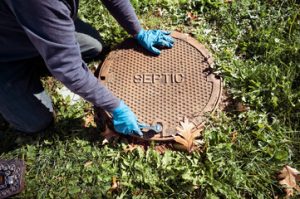
Many homeowners don’t know where their septic tank is located, but the professional who pumps the septic tank will have equipment to locate it. They can dig up the lid of the septic tank and visually inspect it for any issues. It is important that the septic tank be pumped from the large access port in the center of the tank, not one of the smaller ports on the sides. Using a smaller port can damage the baffles inside the septic tank and cause blockages.

Prevents Damage

Your septic system handles the waste from every drain in your home, so you need to keep it functioning properly. Over time, solid waste and sludge build up within the tank and pipes, hindering its ability to function correctly. Pumping the tank at recommended intervals eliminates these materials, preventing blockages and backups. This prevents costly repair costs and ensures your septic system continues to serve you well.

Most septic system problems start small and turn into major issues if neglected. Eventually, they threaten your family’s health and wreak havoc on your property. In addition to costing a fortune, these problems can lead to sewage backups and unpleasant odors. Septic system failures also pollute groundwater and pose health hazards for neighbors and pets. Regular septic tank pumping reduces the likelihood of these issues and protects your family’s health.

Proper maintenance is the best way to prevent costly septic system repairs. A septic tank that needs to be pumped is usually indicated by warning signs such as slow drains, gurgling noises, and foul odors. If you notice these symptoms, call a professional to have your tank inspected right away.

Regular septic tank pumping also reduces the risk of a collapsed drain field. This issue occurs when too many solids clog the soil, preventing wastewater from absorbing into it. The soil then becomes saturated, causing it to break down and flood the surrounding area. This creates hazardous waste sites and pollutes local water sources.

Keeping your septic system maintained through routine maintenance and periodic septic tank pumping helps you avoid these issues and maintain your property value. Homebuyers see a functioning septic system as a desirable feature, particularly in areas with limited municipal sewer connections.

Having a septic tank is a significant investment that should be protected. Septic tank pumping is one of the most important steps in protecting this valuable asset. A regularly pounded and cleaned septic tank can last up to 20 years, or more. However, if it isn’t properly cared for, your septic tank can break down much sooner and require costly replacement.

Increases Home Value

Septic systems provide many benefits, including cost savings and environmental sustainability. They also offer flexibility in property development by providing wastewater treatment without the constraints of municipal sewer connections. However, like any home system, septic tanks require regular care and maintenance to function properly.

If a septic tank goes unchecked, a variety of problems can develop, ranging from foul odors to sewage backups. When these issues occur, they can deter prospective buyers and lower a property’s value.

Investing in regular septic tank pumping and inspections can prevent expensive repairs, which will increase the home’s resale value and make it more attractive to potential buyers. In addition, proper waste disposal practices can reduce the strain on septic systems and extend their lifespan. For example, repairing dripping faucets and doing laundry on different days can greatly reduce the amount of water that flows into the septic tank. Additionally, avoiding non-biodegradable products and harsh cleaners can help maintain the healthy balance of bacteria that break down solid waste in the tank.

Upgrading an outdated septic system to one that meets current standards can also be beneficial. This will ensure that the system functions efficiently, preventing wastewater from contaminating groundwater and creating an unhealthy environment for nearby plant life.

While there are many things a homeowner can do to improve their home’s resale value, septic system maintenance is a critical investment that should not be overlooked. Unchecked septic tank problems can cause a range of serious issues, and failing to keep up with pumping and inspections can result in costly repairs or even a complete system replacement. A proactive approach to septic system maintenance will make a home more appealing to prospective buyers, increasing the chances of a quick and easy sale.

When preparing for the real estate market, homeowners often focus on curb appeal, staging, and minor renovations. But, one of the most important steps that sellers should take is to have their septic tank inspected and pumped before listing the property. A leaking or damaged tank can cause foul odors, sewage backups, and groundwater contamination, which will deter buyers and reduce the home’s resale price.

Gutter Guards – Cost-Benefit Analysis

Gutters Colorado Springs

Gutter guards, such as mesh screens or foam inserts, keep leaves and twigs out of gutter systems to reduce the need for regular cleaning. This reduced maintenance saves homeowners money on professional service and ladder rental costs.

However, the upfront cost of gutter guards versus ongoing maintenance expenses needs to be carefully evaluated. Richmond gutter experts help homeowners select the approach that delivers optimal value for their specific property conditions and maintenance preferences.

Protection

Gutter guards block leaves, twigs, and debris from entering the gutters, significantly reducing the risk of clogs that can lead to overflow and water damage. However, they do not eliminate the need for regular cleaning and inspections. A clogged gutter can still trap water or soil against the fascia board or roof shingles, and debris left behind can degrade the gutter system or support structure.

Regular cleaning and inspection also allows homeowners to spot potential problems like rotted fascia boards or sagging gutters before they become severe. With regular maintenance and need-based annual inspections, gutters can be protected against future issues and remain in good condition for years to come.

The type of gutter guards you choose will influence the frequency and difficulty of cleaning and maintenance. Options like screen or mesh guards feature a fine metal or plastic mesh that filters out debris while allowing water to flow through. Micro-mesh guards offer an even finer filtration and are more durable, but they are typically more expensive than other styles of gutter covers. Foam or brush guards are easy to install and relatively inexpensive but tend to degrade in harsh weather conditions and may require more frequent cleaning.

For a more permanent solution, perforated aluminum gutter guards sit on top of the gutters and connect with fasteners or by bending the edges into place, making them suitable for confident DIY installation. These systems are more resistant to rust and corrosion than other gutter covers, and their durability can extend up to 10 years.

For homeowners who prefer to have professionals perform gutter guard installations, options such as the stainless steel AquaBarrel first flush diverter can provide a comprehensive low-maintenance filtration solution. This system can be combined with a downspout extension for improved filtration and is ideal for rainwater harvesters.

Convenience

Gutter guards keep debris away from the gutters, minimizing clogs and allowing water to flow freely. This helps prevent the costly damage that can result from blocked or overflowing gutters. For example, water can damage your roof, siding, and foundation, causing erosion and requiring expensive repairs. By keeping debris away from the gutters, your home’s structural integrity is protected.

Gutter guards significantly reduce the need for manual cleaning. This is especially important for homeowners who find a need to climb ladders frequently or those with mobility issues. Climbing ladders to clean gutters is time-consuming and can be dangerous, particularly for multi-story homes or those with steeply pitched roofs. Using gutter guards can eliminate the need for frequent cleaning, and make upkeep easier and safer for all Richmond homeowners.

The upfront cost of gutter guards is a significant investment, and the initial price tag can be off-putting for some homeowners. However, the long-term savings from reduced maintenance costs more than offset this initial investment for many Richmond homeowners. The cumulative value gutter guards provide through eliminating recurring cleaning expenses reaches breakeven for most property owners within several years of installation.

When choosing the right gutter guard for your home, consider local environmental conditions and your own budget. If you live in an area with a lot of trees that drop leaves, pine needles, and other debris, opt for a mesh or reverse curve design to maximize your home’s protection while reducing the need for regular cleaning.

Regardless of the type of gutter guard you choose, regular cleaning is still necessary to maintain their effectiveness. Even with high-quality gutter guards, fine debris like pine needles, shingle grit, and pollen can still make their way through and create clogs. If you’re looking for a more hands-off approach to home upkeep, consider adding an additional water diversion system, such as a rain chain or traditional Japanese gutters.

The lifespan of your gutters is extended by avoiding blockages, which can damage the gutters and downspouts. Clogged gutters may overflow, causing water damage to your home and surrounding landscaping. Gutter guards ensure that the flow of water is not impeded, extending the lifespan of your gutters and preventing rust and corrosion.

Prevention of Blockages

Gutter guards prevent clogs by blocking leaves, twigs, and debris from entering the gutter system. This eliminates the need to regularly clean the gutters, saving homeowners time and effort. Gutter guards also mitigate the risk of overflow, which can cause water damage to a home’s roof, siding, and foundation. In the long run, gutter guards can save homeowners money on maintenance costs and major home repairs.

However, it’s important to remember that gutter guards and covers are not foolproof. They may need to be cleaned occasionally, especially during heavy rainstorms or in areas with a lot of tree debris. In addition, some types of gutter guards or covers may not be effective at preventing all debris, such as pine needles and small seeds.

Gutter systems that are consistently clogged can become too heavy and sag over time, which may result in structural damage to the house. Gutter guards reduce the need for frequent cleaning and clog prevention, extending the lifespan of the gutter system and saving homeowners money on costly repairs.

The initial investment required for gutter guards can seem prohibitive, but the upfront cost is offset by reduced maintenance and repair expenses over the lifetime of the home. Many professional installation companies offer warranties on both the product and the installation, further reducing the initial investment.

Clogged gutters often serve as ideal nesting spots for rodents and birds, which can lead to additional blockages and other problems. Gutter guards help eliminate the debris that attracts pests, minimizing the risk of pest infestation and making the home less appealing to these unwanted guests.

In addition, the peace of mind provided by gutter guards makes climbing ladders for regular cleaning a thing of the past. This safety benefit is particularly important for families with children, seniors, or anyone who dislikes the idea of being exposed to potential risks associated with gutter maintenance. In short, gutter guards provide a number of benefits that help offset their initial cost and increase the value of a home. Considering all the factors involved, gutter guards are a worthwhile investment for most homeowners.

Inspection

Keeping on top of gutter maintenance is a must if you want to extend their lifespans and prevent water damage. Thankfully, homeowners who invest in high-quality gutter guards can often cut back on this maintenance requirement significantly.

Gutter guards prevent leaves, twigs, and nesting debris from entering the gutter system. This keeps the clogs that are usually responsible for heavy rainwater overflow away from roofs, walls, and foundations. Gutter guards also prevent ice from forming in the winter, another common cause of clogged gutters.

Clogged gutters aren’t just an annoying nuisance, they can lead to serious damage to your home’s roof, foundation, and siding. Water that spills over the sides of the gutter can saturate basements, crawl spaces, and other low-lying areas, leading to mold growth, structural damage, and even foundation cracks. Gutter guards can reduce the frequency of gutter cleaning and the risk of overflow, saving you thousands in repair costs down the road.

However, no gutter guard is a set-it-and-forget-it product. Whether you choose foam or brush guards, mesh or reverse curve, your gutters will still need to be inspected regularly and occasionally cleaned. Ideally, these inspections should take place twice per year, in the spring and fall. This will help you determine how well your gutter guards are holding up and if any repairs are needed.

In addition, a regular inspection will ensure that your gutter guards are working properly and blocking the right debris. If you live in an area with a lot of trees or a dense leafy environment, you will likely need to inspect your gutters more frequently.

Gutter guards can drastically cut down on the amount of time you spend on maintenance, and many people find it much easier to keep up with these tasks than they were before they had them installed. They are also a great option for homeowners with disabilities or other physical limitations who have difficulty climbing ladders for extended periods of time.