Clean roofs protect homes from above. They guard against decay, preserve structure, and reflect care. The growing demand for roof cleaning represents more than aesthetics. It’s about resilience, innovation, and environmental consciousness.
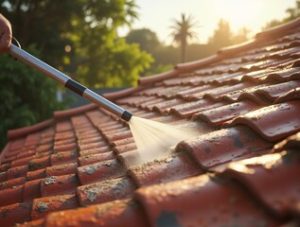
Modern Roof Cleaning has become a balance between science and preservation. Traditional scrubbing has given way to calculated systems that adapt to materials. Every roof type, from tiles to metal panels, reacts differently. Professionals now study composition before applying any method.
The process no longer relies on harsh chemicals alone. Eco-based solutions dominate the modern market, breaking down dirt through natural reactions. They eliminate organic growth without damaging coatings or landscapes. This shift reflects a wider environmental awakening.
Roof cleaning influences more than just appearance. Dirt, algae, and moss hold moisture that can shorten roof lifespan. Regular cleaning prevents leaks, corrosion, and structural weakening. It’s a maintenance act that extends years of protection.
Technology plays a major role in this transformation. New pressure-adjustable systems allow precision cleaning without abrasion. Surfaces remain intact while unwanted growth is removed gently. These innovations redefine how safety and efficiency coexist.
Drone-assisted cleaning has entered the scene for difficult or steep rooftops. Drones equipped with low-pressure systems and sensors cover large spaces quickly. They eliminate risk while collecting surface data. This automation signals a safer, smarter era of roof care.
Another advancement is water reclamation technology. Roof cleaning systems now recycle rinse water to minimize waste. Filters separate debris and restore water purity for reuse. This innovation turns routine cleaning into a sustainable act.
The science behind roof cleaning also involves pH balance. Some solutions neutralize acidic residues that weaken roofing materials. Maintaining chemical balance preserves both strength and color. It’s an invisible but essential layer of care.
Energy efficiency is another hidden benefit. A clean roof reflects sunlight more effectively, reducing indoor heat. This leads to lower energy consumption and better temperature regulation. Cleanliness becomes a contributor to comfort and savings.
Homeowners are now viewing roof cleaning as preventive maintenance, not luxury. Neglect leads to permanent staining, root damage, or costly replacement. Regular care ensures durability under changing weather patterns. It’s long-term thinking disguised as routine upkeep.
Roof cleaning experts also evaluate drainage systems during service. Clogged gutters and downspouts can trap water, accelerating wear. Cleaning them together ensures balanced water flow across surfaces. It’s a holistic approach that treats the roof as a complete system.
The newest trend involves protective coatings after cleaning. These coatings resist algae and mildew buildup for months or years. They reduce cleaning frequency and improve color retention. Protection now complements restoration seamlessly.
Materials science has brought deeper understanding of roof behavior. Certain tiles absorb moisture faster than others, requiring specialized drying. Cleaners now use infrared tools to detect moisture retention. This ensures every part of the roof receives proper treatment.
Environmental awareness drives most modern roof cleaning innovations. Biodegradable agents and water-efficient systems are standard practice. Every drop and every spray are calculated for minimal impact. Sustainability has become both a responsibility and a business edge.
The rise of smart homes has also influenced roof maintenance. Integrated sensors can detect dirt, moss, or temperature changes. They alert owners when cleaning is due. This automation merges technology with traditional upkeep.
For industrial and commercial structures, roof cleaning impacts productivity. Clean surfaces prevent heat absorption and equipment damage. Warehouses maintain safer indoor environments with regular care. Maintenance becomes a performance factor.
Weather-resistant cleaning solutions are now a breakthrough in harsh climates. These formulas maintain effectiveness under extreme heat or moisture. They allow uninterrupted service regardless of season. Flexibility ensures consistent protection.
Another emerging method uses soft washing, a low-pressure system combined with targeted solutions. It removes buildup without stripping layers or paint. This is ideal for aged roofs that need gentle restoration. Preservation and purity merge perfectly through this technique.
Roof cleaning now includes microbial studies. Certain growths thrive in shaded areas and feed on roofing minerals. Understanding their behavior helps cleaners develop more precise removal methods. The result is deeper cleanliness with scientific precision.
Safety continues to evolve through equipment innovation. Harnesses, stabilizers, and surface sensors reduce accidents. Workers now operate with real-time monitoring and automatic adjustments. Every step is backed by data and design.
The environmental role of clean roofs extends beyond maintenance. When free from organic growth, roofs allow rainwater collection systems to function better. Collected water remains cleaner and usable for other purposes. Clean roofs thus promote resource conservation.
In residential communities, roof cleanliness adds collective value. A neighborhood with well-maintained rooftops appears unified and cared for. This visual harmony can raise overall property appeal. Cleanliness, in this sense, builds community identity.
Roof cleaning also impacts mental well-being. A tidy home exterior provides psychological satisfaction. Seeing a clean roof after a storm gives a sense of renewal and order. Maintenance connects people emotionally to their living spaces.
Artificial intelligence is now being applied to surface diagnostics. Algorithms assess roof images and predict when cleaning is needed. These systems recommend specific treatments based on material and age. Predictive care replaces guesswork with precision.
Roof cleaning also supports solar energy performance. Dirt and debris can shadow panels and lower efficiency. Cleaning maintains peak energy absorption and extends system lifespan. It unites environmental care with technological function.
Some companies are exploring nanocoatings for self-cleaning roofs. These invisible layers repel water, dust, and organic buildup. Rain then becomes a natural cleaning agent. It’s innovation inspired by nature itself.
Cultural appreciation of architecture has revived interest in roof aesthetics. Many heritage buildings feature intricate tiles or patterns that require delicate cleaning. Specialists use low-impact methods to restore original beauty. It’s craftsmanship merged with conservation.
Roof cleaning also contributes to fire safety. Organic buildup and dry debris can fuel roof fires. Routine cleaning reduces ignition risk. It’s protection that starts from prevention.
Home design trends emphasize outdoor harmony, where roofs play a visual role. Clean surfaces complement landscaping and wall finishes. They create a seamless visual balance. Clean roofs are now part of overall design aesthetics.
Training programs for roof cleaning professionals have advanced dramatically. Trainees study chemistry, engineering, and environmental policy. This elevates cleaning from manual labor to skilled craftsmanship. Knowledge ensures precision and respect for materials.
Soft-robotic cleaners are an exciting development. They adapt to surface angles and use minimal force. Their flexible design allows access to complex rooflines. Robotics and biology inspire these creations.
Roof cleaning also connects with climate change adaptation. As weather becomes unpredictable, roofs face harsher conditions. Cleaning and inspection prevent premature damage. Preparedness begins with consistent maintenance.
The role of eco-certification is growing in this industry. Services that prove sustainability gain higher trust. Clients prefer providers who value environmental ethics. Clean roofs now represent clean practices too.
Research into biodegradable surfactants has gained traction. These components dissolve grime efficiently without harming ecosystems. Science continues refining formulas for better balance. Innovation meets conscience at every stage.
Some cleaning technologies integrate ultrasonic waves for algae removal. These vibrations detach buildup without chemical use. It’s a clean process powered by sound energy. Non-invasive and effective, it shows new scientific possibilities.
The economic value of roof cleaning extends to preservation costs. Regular cleaning delays replacement needs by years. The savings accumulate while the structure remains sound. Investment in cleaning becomes financial wisdom.
Roof cleaning also protects insulation layers beneath. When roofs remain dry and intact, internal temperature stability improves. It reduces humidity-related damage and mold formation. The result is long-term structural health.
Homeowners increasingly combine roof and exterior wall cleaning services. This synchronized care creates uniformity and reduces dirt transfer. The process enhances overall property protection. Harmony between surfaces defines modern maintenance.
Digital documentation now records each cleaning session. Clients receive before-and-after images and material reports. This transparency strengthens accountability and quality assurance. Cleanliness becomes measurable and verifiable.
In green architecture, roof cleaning complements sustainability goals. Clean reflective surfaces support passive cooling strategies. They reduce carbon footprint while maintaining structural aesthetics. Maintenance aligns with modern eco-design principles.
Education about roof cleaning importance is spreading through online awareness. People learn that neglect affects not just looks but also longevity. Knowledge drives proactive behavior. Clean roofs become symbols of responsible living.
Future innovations will continue merging data with ecology. Smart coatings may one day absorb pollutants while staying clean. Roofs could play an active role in purifying air. Cleaning may evolve from service to environmental contribution.
The artistry of roof cleaning lies in its precision and patience. Every surface tells a story of weather, time, and environment. To clean is to restore that story’s clarity without erasing its history. It’s maintenance as both science and expression.
Ultimately, roof cleaning defines how humanity cares for its shelters. It safeguards not just the home but the harmony between nature and construction. Each droplet, each rinse, preserves more than material—it preserves balance. In the gleam of a freshly cleaned roof lies the reflection of progress and respect.